

Module 1: What is Hemp
In this Lesson
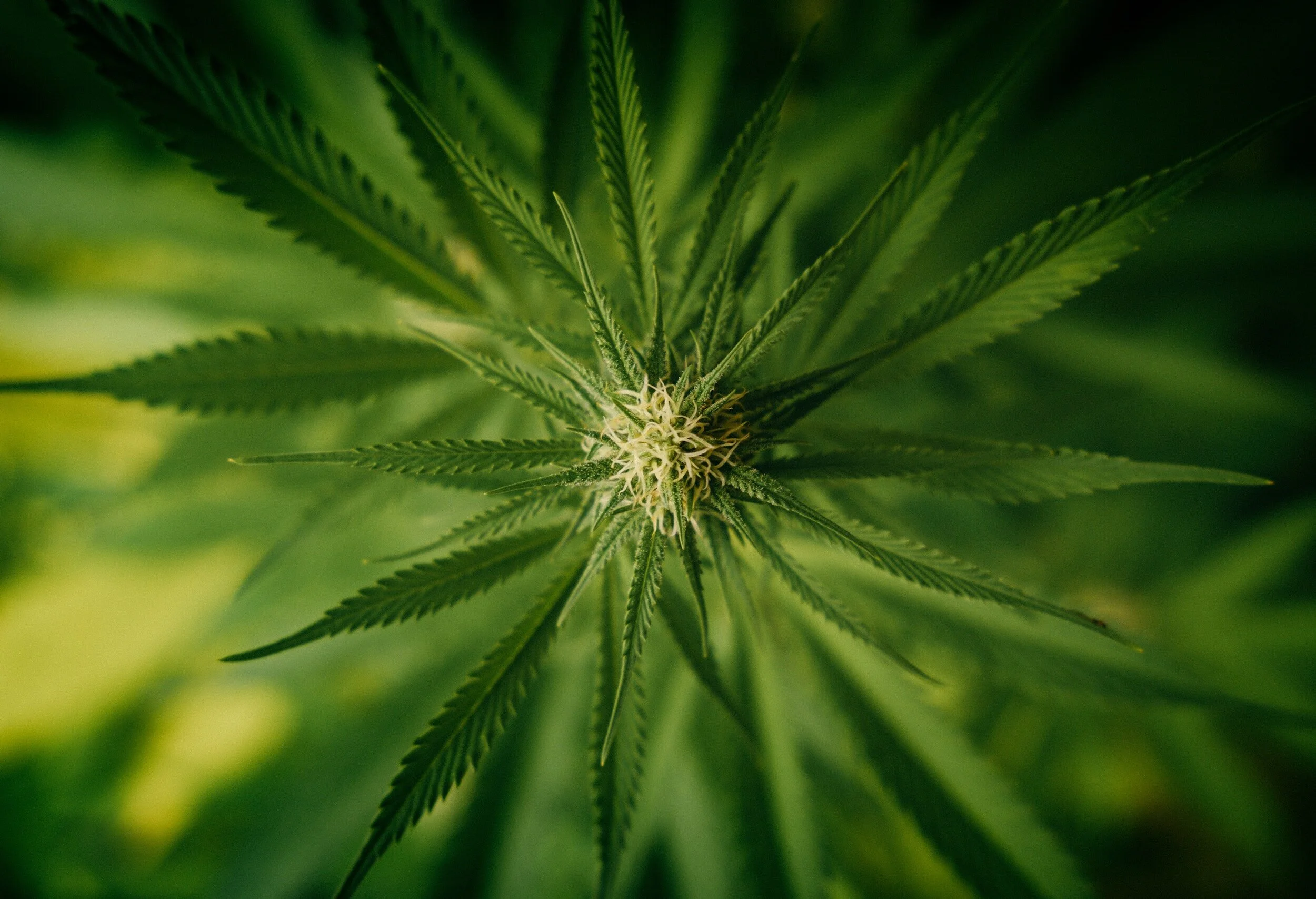
Hemp (Cannabis sativa L.) is a botanical class of cannabis explicitly cultivated for industrial or medical use. Cannabis Sativa, or hemp, is defined as containing equal to or less than 0.3% tetrahydrocannabinol (THC) by dry weight. THC is the cannabinoid responsible for the psychoactive effect or “high” sensation one acquires when inhaling or ingesting Cannabis Indica, a plant with more than 0.3% THC. Hemp is used for a wide variety of products due to its fibrous properties, and high concentration of cannabinoids that help bring homeostasis to the mammalian Endocannabinoid System. Roughly 40% of the hemp plant contains Cannabidiol or CBD. With such diverse properties, hemp has been used over the millenniums in various cultures throughout history.
The botanical characteristics of the hemp plant (Cannabis sativa L.) include a combination of physical, genetic, and reproductive traits that distinguish it from other cannabis varieties, such as marijuana. Here are the key botanical characteristics of the hemp plant:
Understanding these botanical characteristics is essential for accurately identifying and distinguishing hemp from other cannabis varieties and is particularly important for regulatory and cultivation purposes in the hemp industry.

ANDREW SERAFINI, INSTRUCTOR