• Lesson 2 Overview

    Explore the wide-ranging applications of hemp in this lesson. Participants will discover how hemp has been used in industries such as textiles, agriculture, construction, and wellness. Additionally, this lesson will highlight the differences between industrial hemp and marijuana.

  • 2.1. Textile Industry and Hemp

    Hemp has a long history of use in the textile industry due to its strong and durable fibers. While it has faced competition from other materials in recent decades, it is experiencing a resurgence in popularity due to its sustainability and eco-friendly properties.

  • 2.1. Textile Industry and Hemp

    Here are some of the textile industries that use hemp:

    Apparel and Clothing

    Footwear

    Accessories

    Home Textiles

    Industrial Textiles

    Technical Textiles

    Fashion and Designer Lines

    Eco-Friendly and Sustainable Fashion

    Outdoor and Sportswear

    Innovative Textile Products

  • 2.1. Textile Industry and Hemp

    The use of hemp in textiles aligns with the growing demand for sustainable and eco-friendly materials. As environmental awareness continues to rise, hemp's role in the textile industry is likely to expand further, offering a renewable and environmentally responsible alternative to conventional textiles.

  • 2.2. Hemp in Agriculture & Environmental Sustainability

    Hemp is used in agriculture and environmental sustainability in several ways due to its unique characteristics and versatility. Its cultivation and utilization offer various benefits for the environment and sustainable farming practices:

  • Soil Health Improvement

    Hemp has deep roots that help break up compacted soil and improve soil structure. The root system can also prevent soil erosion, which is especially valuable in areas with sloping terrain.

  • Crop Rotation and Soil Remediation

    Hemp can be used in crop rotation systems to break disease cycles and reduce soil depletion. It is a useful rotational crop for improving soil quality and preventing the buildup of pests and pathogens.

  • Minimal Pesticide Use

    Hemp is naturally resistant to many pests and diseases, reducing the need for synthetic pesticides. Its cultivation can support integrated pest management (IPM) practices.

  • Low Water Requirements

    Hemp typically requires less water compared to many other crops, making it suitable for regions with limited water resources. Its ability to thrive in diverse climates contributes to water conservation in agriculture.

  • Biodiversity Promotion

    Hemp fields can attract beneficial insects, such as pollinators and predatory insects, which contribute to biodiversity and ecosystem health.

  • Carbon Sequestration

    Hemp plants absorb carbon dioxide (CO2) from the atmosphere during their growth, helping mitigate greenhouse gas emissions. Carbon is stored in hemp plants and can be retained in hemp-derived products.

  • Sustainable Fiber Production

    Hemp fibers can replace synthetic fibers in various applications, reducing the environmental impact of textiles and nonwoven products.

  • Phytoremediation

    Hemp has the ability to absorb and accumulate heavy metals and contaminants from soil and water, a process known as phytoremediation. It has been used in certain areas to clean up polluted soil.

  • Biofuel Production

    Hemp can be used to produce biofuels, such as hemp biodiesel and hemp ethanol, offering a renewable and more sustainable alternative to fossil fuels.

  • Reduced Synthetic Fertilizer Use

    Hemp can thrive in nutrient-rich soil and may require fewer synthetic fertilizers, promoting more sustainable agricultural practices.

  • Sustainable Building Materials

    Hemp can be used in construction materials like hempcrete, which is environmentally friendly and has a lower carbon footprint compared to traditional building materials.

  • Diversification of Agriculture

    Including hemp in crop rotations and agricultural systems can diversify farming practices and reduce reliance on monoculture farming, which can deplete soil and increase pest pressure.

  • 2.2. Hemp in Agriculture & Environmental Sustainability

    Overall, hemp's versatility and ability to thrive in various conditions make it a valuable asset in promoting environmental sustainability and sustainable agriculture practices. Its cultivation and utilization offer numerous ecological and economic benefits, making it an attractive option for environmentally conscious farmers and industries.

  • 2.3. Hemp-Derived Wellness Products and CBD

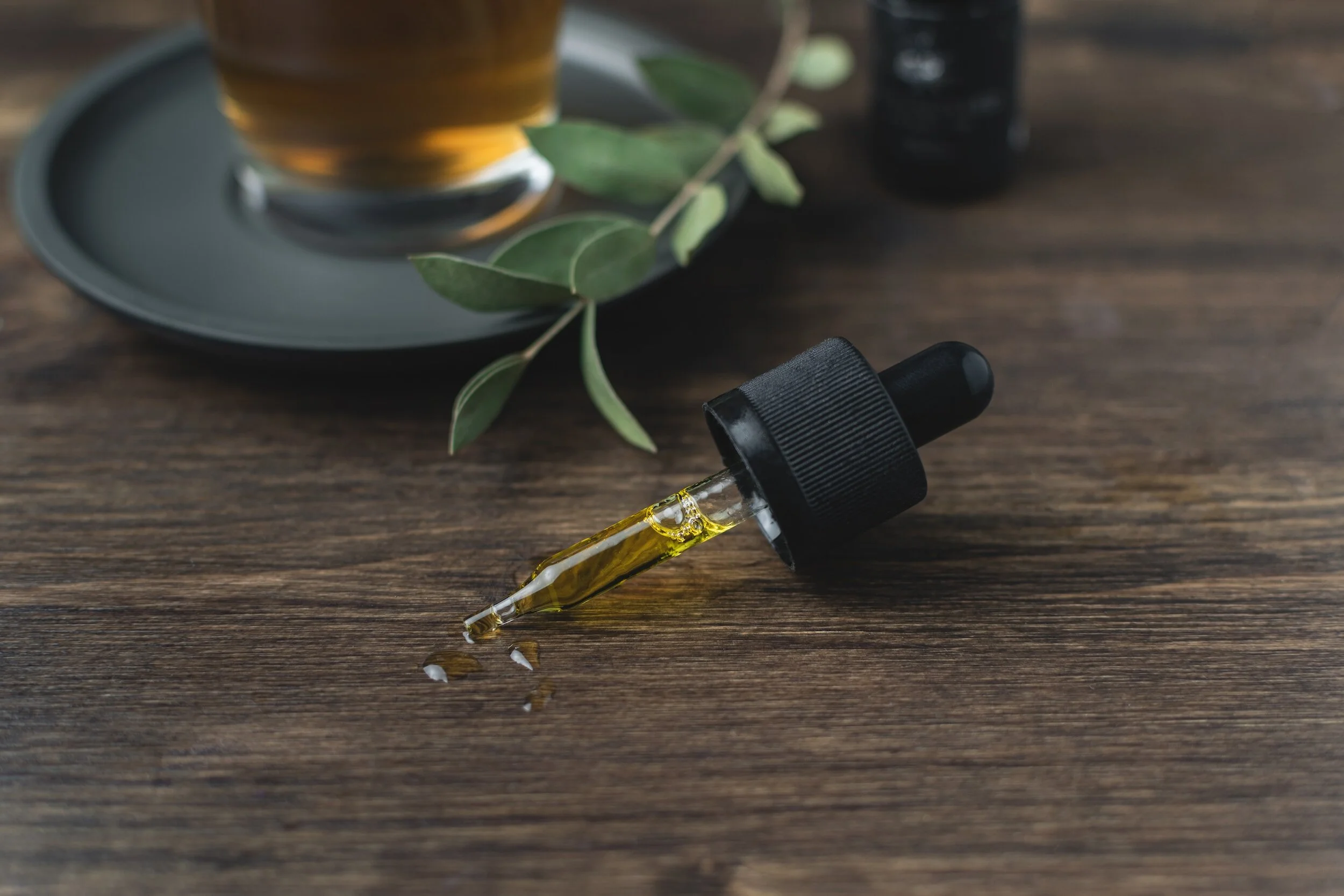
    Hemp-derived wellness products and CBD (cannabidiol) have a wide range of applications, offering potential benefits for physical and mental well-being.

  • Forms of CBD Products

    • CBD oil tinctures and extracts

    • CBD capsules and softgels

    • CBD edibles (gummies, beverages, etc.)

    • CBD topicals (creams, salves, balms)

    • CBD isolates and concentrates

  • Potential Health and Wellness Benefits

    Potential therapeutic benefits of CBD, including:

    • Pain management and anti-inflammatory effects

    • Stress and anxiety reduction

    • Sleep improvement and insomnia relief

    • Neurological and cognitive health

    • Epilepsy and seizure control (Epidiolex)

    • and many more!

    Later in the lesson we will dive deeper into the benefits of Hemp and CBD.

  • 2.3. Hemp-Derived Wellness Products and CBD

    It's important to note that while CBD has shown promise in numerous areas, research is ongoing, and its effectiveness can vary from person to person. It is advisable to consult with a healthcare professional before starting any CBD regimen, especially if you have underlying medical conditions or are taking other medications. Responsible and informed use of hemp-derived wellness products and CBD is essential for maximizing potential benefits while ensuring safety.

In this Lesson

Explore the wide-ranging applications of hemp in this lesson. Participants will discover how hemp has been used in industries such as textiles, agriculture, construction, and wellness. Additionally, this lesson will highlight the differences between industrial hemp and marijuana.

From textile industry to agriculture and environmental sustainability to wellness products and CBD, hemp has a profound ability to change our world, inside and out.

ANDREW SERAFINI, INSTRUCTOR